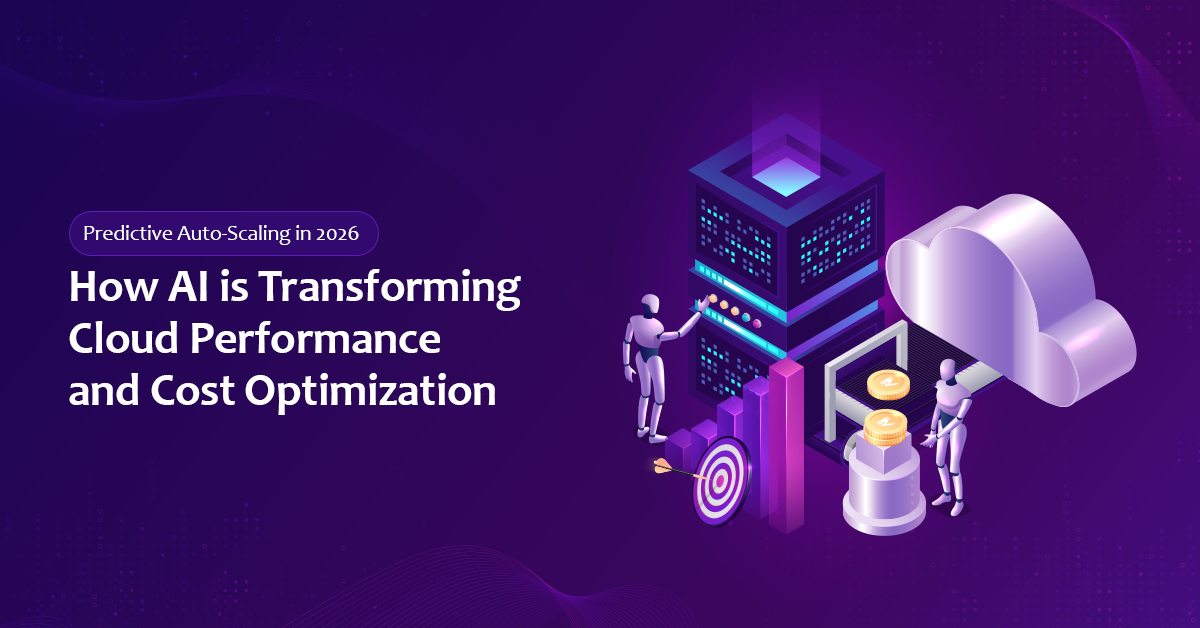
In 2026, cloud infrastructure is no longer just reactive; it’s intelligent. Traditional auto-scaling systems respond after performance issues occur, but modern platforms like MongoDB Atlas now use predictive auto-scaling powered by AI and machine learning to anticipate demand before it happens.
The Problem with Traditional Auto-Scaling
Reactive auto-scaling works, but it has limitations:
- Delayed response to traffic spikes
- Temporary performance issues during scaling
- Increased infrastructure costs due to over/under provisioning
Scaling operations take time, which means systems may remain overloaded or underutilized for several minutes.
What is Predictive Auto-Scaling?
Predictive auto-scaling uses AI models to forecast future workloads and automatically adjust resources before demand peaks.
Instead of reacting, it:
- Anticipates traffic spikes
- Allocates resources in advance
- Maintains optimal performance continuously
This approach ensures systems always run at the most efficient and cost-effective capacity.
How It Works (Simplified)
- Forecasting Demand
AI models analyze historical patterns such as:
- Daily usage cycles
- Weekly trends
- Growth patterns
They predict future workload behavior using time-series analysis.
- Estimating Resource Usage
Machine learning models estimate:
- CPU utilization
- Resource consumption
- Performance impact across server sizes
- Smart Scaling Decisions
The system selects the most cost-efficient server size that can handle predicted demand without exceeding performance thresholds.
Key Technologies Behind It
- MSTL (Multi-Seasonal Trend Analysis) – identifies patterns like daily/weekly spikes
- ARIMA Models – handles short-term forecasting
- Regression Models – estimate system performance
- Hybrid Forecasting – combines short-term + long-term predictions
Benefits in 2026
- Proactive Performance
No more waiting for overload, systems scale before issues occur.
- Cost Optimization
Only pay for what you actually need, reducing unnecessary infrastructure costs.
- Faster Scaling
Direct scaling to the right capacity instead of gradual upgrades.
- Improved User Experience
Consistent performance even during peak traffic.
Real Impact
Studies show predictive scaling can:
- Reduce under/over-utilization
- Improve CPU efficiency
- Save significant operational costs at scale
Even small savings per server can translate into millions annually for large deployments.
2026 Reality: Hybrid Auto-Scaling
Modern systems now use a hybrid approach:
- Predictive scaling → Handles upcoming spikes
- Reactive scaling → Handles unexpected drops
This ensures both accuracy and reliability in dynamic environments.
Conclusion
Predictive auto-scaling is no longer experimental, it’s a must-have cloud capability in 2026.
Businesses adopting AI-driven scaling gain:
- Better performance
- Lower costs
- Higher scalability
As cloud workloads grow more complex, predictive systems will become the standard for intelligent infrastructure management.