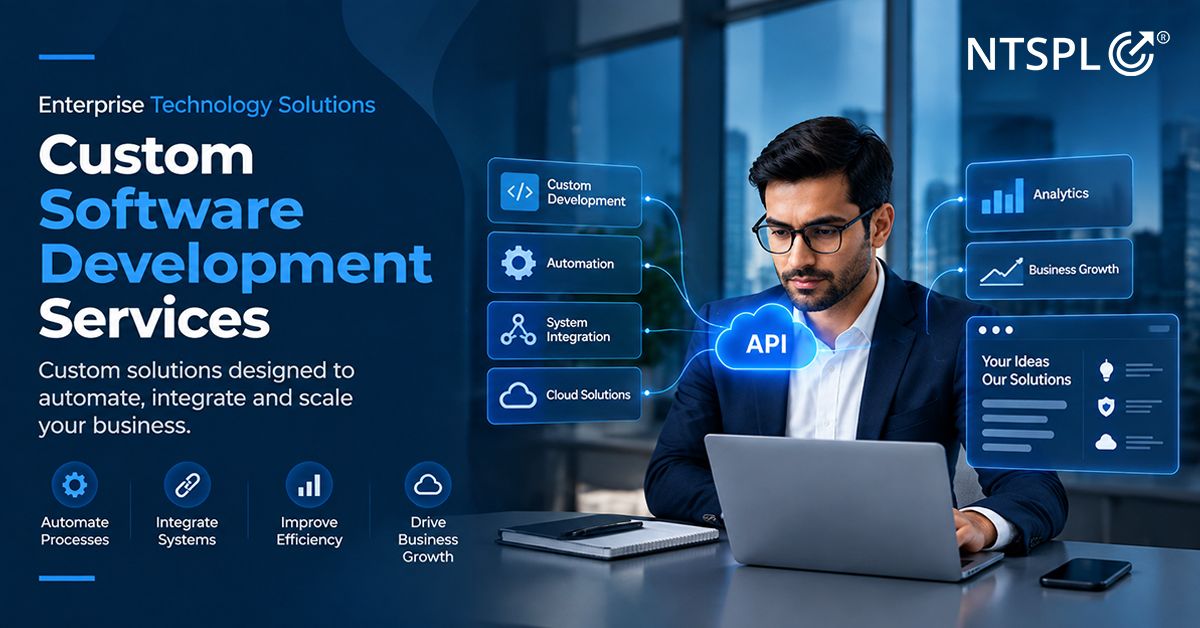
Custom software development services involve planning, designing, building, integrating and maintaining software around an organization specific workflows, users and business rules. Unlike a standard product, a custom solution can reflect how the organization actually operates, connect with existing systems and evolve as requirements change.
Many organizations begin with ready-made tools because they are quick to deploy. Over time, however, teams may depend on spreadsheets, repeated data entry, disconnected applications and manual approvals to fill gaps. At that point, software begins to shape the business in unhelpful ways. The right software development company can help the organization redesign the workflow and build technology around a defined business outcome.
What Software Development Services Should Include
The scope depends on the business problem, but comprehensive software development services commonly include:
- Business and workflow analysis
- Product planning and solution architecture
- User experience and interface design
- Web mobile and enterprise application development
- API and third party system integration
- Data migration and legacy system modernization
- Testing security reviews and performance validation
- Cloud or on premises deployment
- Monitoring maintenance and product enhancement
A custom software development company should begin with the workflow and expected outcome rather than immediately recommending a framework. Technology choices should follow the product requirements, integration environment, security expectations and long-term ownership model.
When a Business Needs Custom Software
Custom software becomes worth evaluating when operational limitations are persistent and commercially important. Common indicators include the following.
Teams Repeat the Same Manual Work
Employees may enter identical information into multiple systems, transfer data through spreadsheets or chase approvals through email. A custom workflow can validate information once, route it to the right people and maintain a reliable audit trail.
Existing Systems Do Not Exchange Data
Finance, HR, operations, customer service and field teams often work with separate applications. APIs and integration services can connect these systems so that approved information moves between them without repeated manual entry.
Standard Software Requires Too Many Workarounds
Configuration is useful until the organization depends on plugins, manual exceptions or processes designed around product limitations. If the workaround becomes a permanent operating model, a tailored application may provide better control.
Security and Access Rules Are Business Specific
Enterprise software may need access based on location, department, role and vendor relationship or approval level. Custom software can apply these controls to the organization’s hierarchy and maintain activity logs for review.
The Business Needs a Digital Product
A customer portal, SaaS platform, mobile application or specialized internal system cannot always be assembled from standard tools. Custom development supports differentiated features, product ownership and a roadmap controlled by the business.
Custom Software and Off the Shelf Software Compared
| Decision factor | Custom software | Off the shelf software |
| Fit with business processes | Designed around defined workflows and rules | Uses standard workflows with configuration limits |
| Initial deployment | Requires discovery design development and testing | Usually quicker to subscribe and configure |
| Integration | Can be designed for required systems and data flows | Depends on available connectors and vendor APIs |
| Ownership and roadmap | Controlled through the agreed ownership and support model | Product roadmap is controlled by the software vendor |
| Scalability | Architecture can be planned for expected users locations and transactions | Capacity and pricing follow the vendor’s product tiers |
| Long term change | Features can be prioritized around business needs | Changes depend on vendor features or third party extensions |
The correct choice is not always custom development. Standard software can be effective when the process is common, requirements are stable and the product meets most needs without extensive workarounds. Custom development is more appropriate when the workflow creates competitive value, integration is essential or operational gaps are expensive.
A Practical Custom Software Development Process
Discovery and Requirement Analysis
The team documents users, workflows, decisions, data, integrations, risks and expected outcomes. This stage should identify which requirements are essential for the first release and which can wait.
Solution Design
Architects define the application components, data model, integration approach, access controls and deployment model. The design should account for current requirements and foreseeable growth without creating unnecessary complexity.
User Experience Design
Wireframes and prototypes show how users will complete key tasks. Reviewing these flows early reduces misunderstandings before development begins and helps operational teams participate in the design.
Iterative Development and Integration
The development team builds the product in manageable releases, demonstrates progress and incorporates approved feedback. Integrations with ERP, HRMS, CRM, payment, communication or reporting systems should be tested with realistic data and failure scenarios.
Quality Assurance and Security Testing
Testing should cover functional behavior, permissions, data validation, browser and device compatibility, performance and security requirements. Acceptance criteria agreed during discovery provide a clear basis for release decisions.
Deployment and Continuous Improvement
After deployment, the team monitors the application, addresses defects and plans improvements based on user feedback and operational data. Documentation, training and a clear support model are necessary for long-term adoption.
Technologies for Custom Software Development
There is no universal technology stack for every custom application. The appropriate combination depends on the product, existing environment, team capability and deployment model.
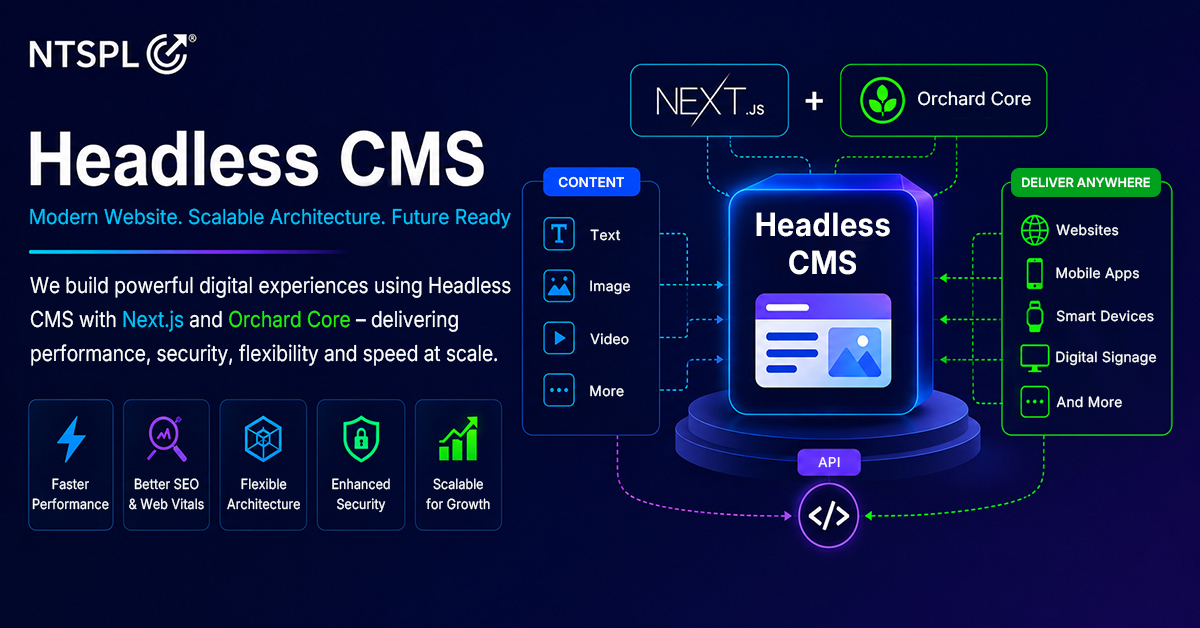
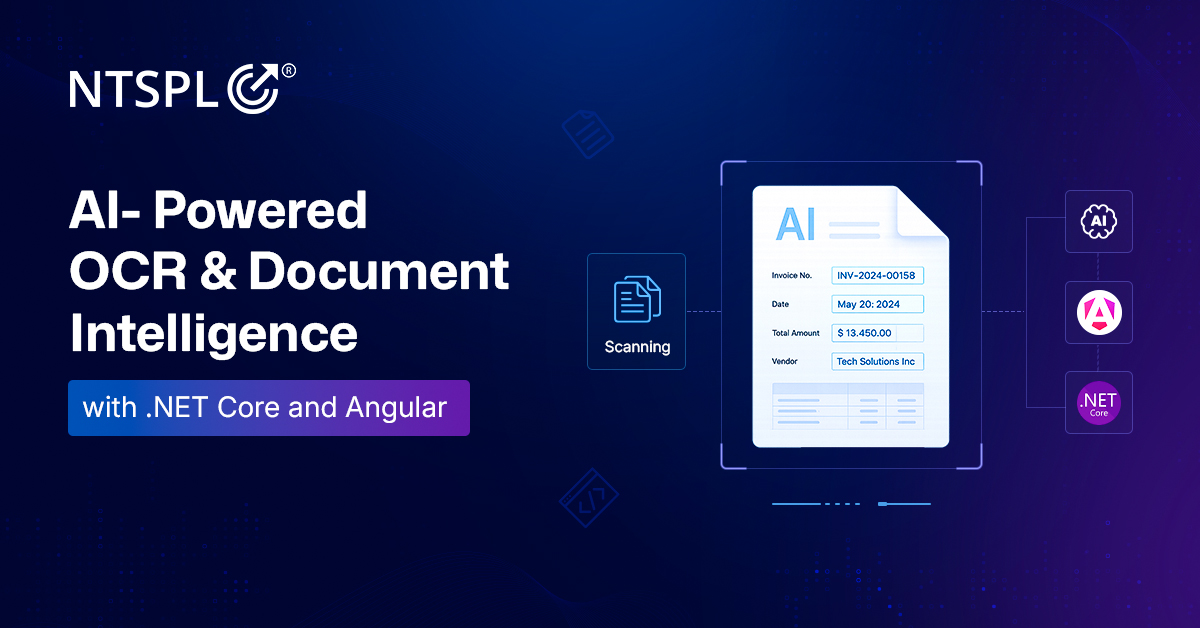
NTSPL’s public technology and portfolio pages identify experience across Microsoft .NET and .NET Core, Angular, React, Node.js, PHP, Java, Python, Android and iOS development, Microsoft Azure, AWS, SQL and NoSQL databases, content management platforms and API-based integrations. Its portfolio also shows project-specific combinations such as Angular with .NET Core and MSSQL, and Microsoft .NET MVC with Entity Framework, SQL Server and SAP connectivity.
These capabilities matter because custom development often involves more than a new user interface. A business application may need to exchange data with an ERP, apply role-based approvals, support mobile users, generate reports and operate in a cloud or on-premises environment.
NTSPL Software and Portfolio Examples
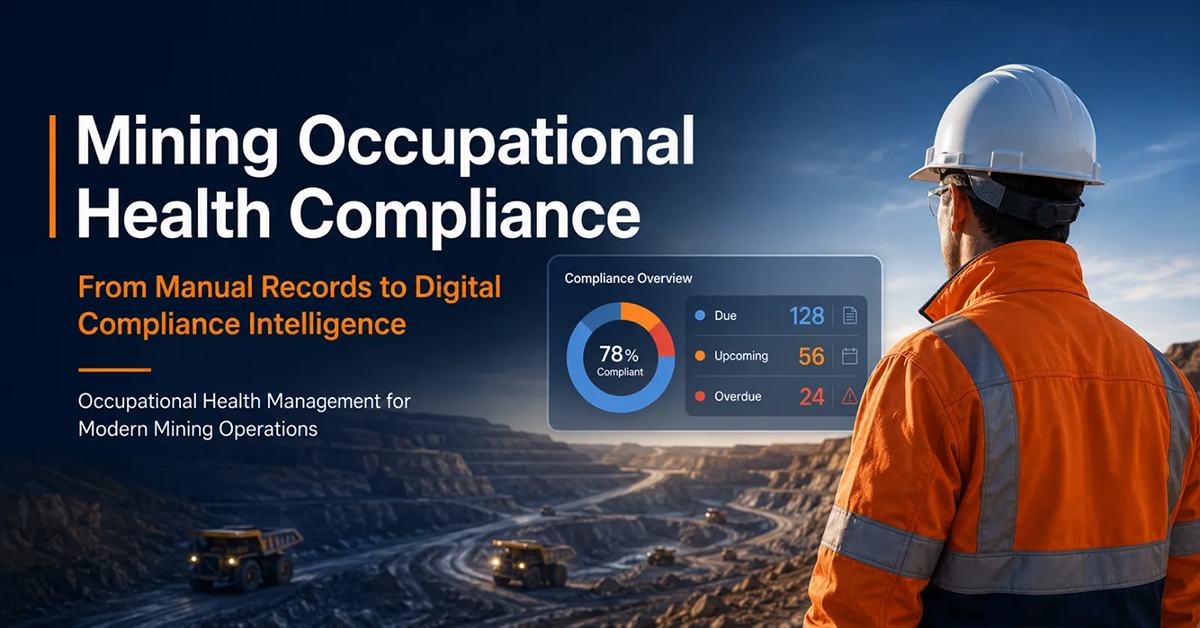
Occupational Health Management System (OHMS) – Digitizes employee and contractor occupational health processes, medical examinations, statutory compliance, health records, alerts, reporting and integration with enterprise HR systems.
Project Management System (PMS) – Provides structured management of projects, milestones, tasks, responsibilities, deadlines, documents, employee utilization, project risks and management-level performance reporting.
PKI-Based e-Tendering Application – Enables secure digital tendering with PKI-based authentication, bid submission, encryption, evaluation workflows, approvals and auditable procurement processes.
Grievance Management System – Provides an end-to-end digital platform for grievance registration, categorization, assignment, escalation, resolution tracking, SLA monitoring and management reporting.
Nexusone Intranet & Employee Portal – Creates a unified digital workplace for employee communication, HR services, documents, announcements and collaboration and employee engagement.
How to Choose a Custom Software Development Company
Evaluate potential partners against evidence that relates to your project:
- Ask whether the team has delivered comparable workflows, integrations or user journeys.
- Review the proposed discovery process and how requirements will be prioritized.
- Confirm who owns the source code, documentation, infrastructure and product data.
- Examine the security, testing, deployment and support approach.
- Request examples of architecture decisions and how the team manages technical debt.
- Check communication routines, release visibility and change-control procedures.
- Ask for relevant project references and measurable results that can be independently confirmed.
The lowest initial estimate does not always create the lowest long-term cost. An incomplete discovery process, weak documentation or fragile integrations can increase maintenance effort after launch.
How Do You Choose the Best Software Development Company?
The best software development company for a project is the one that can demonstrate relevant experience, understand the operating problem and explain how delivery risks will be managed. “Best” is therefore specific to the organization’s industry, workflow, integrations, security requirements, budget and support expectations. Compare evidence and delivery fit instead of relying on rankings or promotional claims alone.
NTSPL as a Software Company in Bhubaneswar and Odisha
NTSPL is a software company in Bhubaneswar, Odisha, providing web, mobile and enterprise application capabilities across government, manufacturing, healthcare-related operations, HR and other domains. Buyers searching for a software company in Odisha should consider location alongside workflow expertise, integration capability, security, support and relevant project evidence. NTSPL’s software development services can also address requirements for organizations beyond Odisha and India.
FAQ:
What are custom software development services
Custom software development services cover the planning, design, engineering, integration, testing, deployment and maintenance of software created for a particular organization, workflow or product idea.
How is custom software different from bespoke software
The terms are generally used interchangeably. Both refer to software developed for defined business requirements rather than distributed as the same standard product to every customer.
How long does custom software development take
The timeline depends on scope, integrations, data migration, compliance requirements and release strategy. A discovery phase should produce a more reliable estimate and identify whether the product can be released in stages.
What affects the cost of custom software
The main factors include product scope, user roles, workflow complexity, integrations, data volume, security requirements, supported devices, deployment environment and ongoing support expectations.
Can custom software integrate with existing systems
Yes, when those systems provide suitable APIs, database access or supported integration methods. The development team should assess data ownership, authentication, rate limits, error handling and security before confirming the integration approach.
Can custom software be deployed on premises
Deployment can be planned for cloud, on-premises or hybrid environments depending on infrastructure, data residency, security and operational requirements.
Discuss Your Software Requirements with NTSPL
NTSPL provides custom software development services for web, mobile and enterprise requirements built around specific business processes and integration needs. If standard software no longer fits your operations, share your workflow, users, systems and expected outcome with the NTSPL team.
Contact NTSPL to discuss your requirements.
Book a Free Consultation: +91 8260003333
Email: info@ntspl.co.in
Explore NTSPL: https://www.ntspl.co.in/services/web-development/